“Vacuum once a week” is the standard advice, and for most homes it is wrong — in both directions. High-traffic rooms with pets need attention every day or two, while a spare bedroom can go a fortnight without anyone noticing. The right schedule is not one number; it is a map of your house, drawn by foot traffic, floor type and who sheds in it.
This guide gives you that map. It is based on carpet industry guidance, indoor air-quality research, and the practical experience of running vacuums — robot and upright — in a house with two children and a Labrador. The goal is not a spotless house. It is a house where the floors stay clean enough, with the least effort that achieves it.
At a glance
| Room | No pets | With pets | Why |
|---|---|---|---|
| Living room | 2× a week | Daily | Highest foot traffic |
| Kitchen | 2–3× a week | Daily | Crumbs, grit, spills |
| Bedrooms | 1× a week | 2–3× a week | Dust, skin cells, hair |
| Hallways & stairs | 1× a week | 2× a week | Traffic funnels dirt in |
| Spare rooms | Every 2 weeks | 1× a week | Low traffic, dust settles |
In this guide
- The kitchen: every day if you cook
- The living room: twice a week, daily with pets
- Bedrooms: once a week is usually enough
- Hallways and stairs: the dirt funnels
- Pet zones: daily, without exception
- Carpet vs hard floors: different rules
- Upholstery and curtains: monthly, not never
- What happens when you wait too long
- The robot vacuum schedule that actually works
- A schedule you will actually keep
- The bottom line
- Frequently asked questions
The kitchen: every day if you cook

The kitchen collects more debris per square foot than any other room: crumbs, grit from shoes, dried spills and, in pet homes, kibble. On hard floors, a daily robot run or a quick sweep keeps grit from being ground into the finish by foot traffic — which is how kitchen floors lose their shine.
If you run a robot vacuum, schedule the kitchen daily and let it do the work. If you vacuum manually, two to three times a week is the realistic minimum, with a spot clean after cooking. Mopping matters here too: vacuuming removes debris, but only mopping lifts the grease film that makes kitchen floors feel sticky.
The living room: twice a week, daily with pets
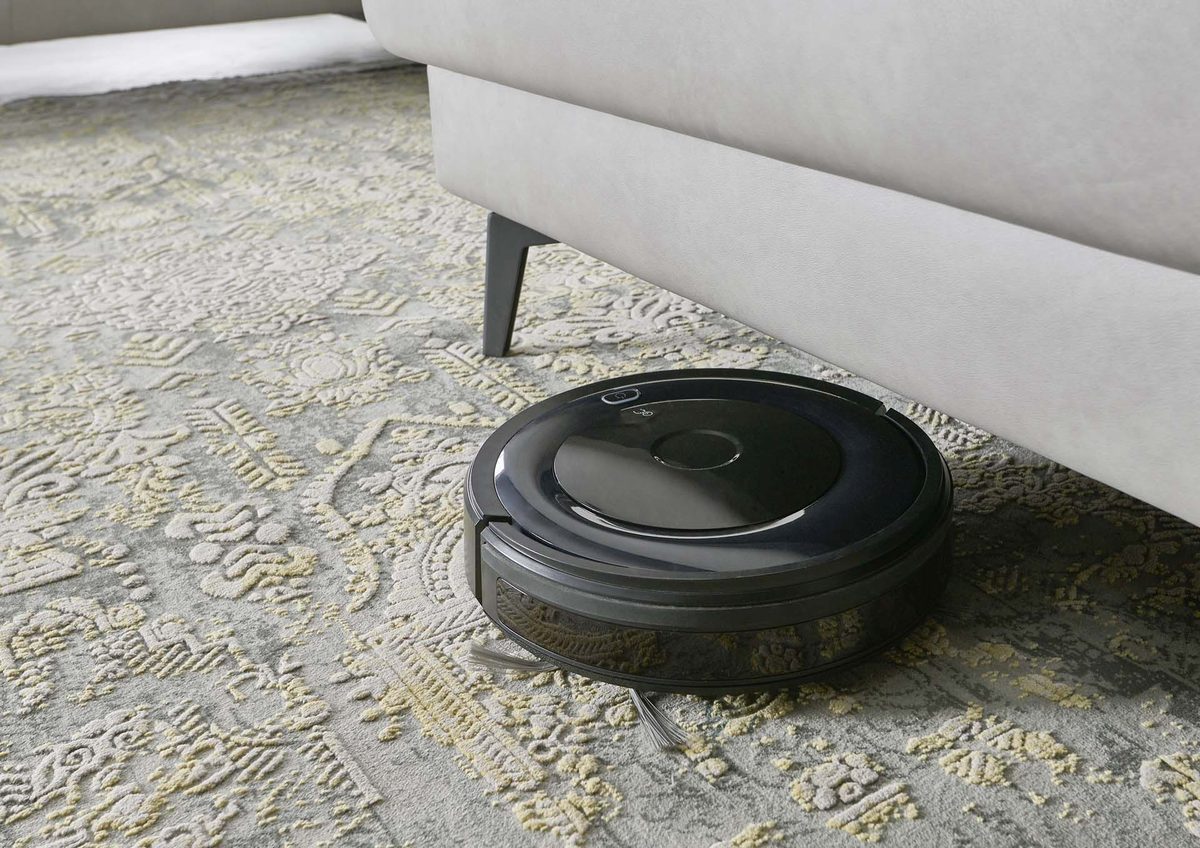
The living room is where the household actually lives, so it takes the most foot traffic — and the most pet hair, snack crumbs and tracked-in dirt. Twice a week is the baseline for a pet-free home; with a dog or cat, daily is not excessive. Hair that sits in carpet pile for a week works its way down to the backing, where even a strong vacuum struggles to reach it.
Rugs need more attention than bare floors: turn them over and vacuum the back occasionally, and lift them to vacuum underneath monthly. If you have a robot vacuum, the living room is the room to prioritize in its schedule — it is where daily runs pay off most visibly.
Bedrooms: once a week is usually enough
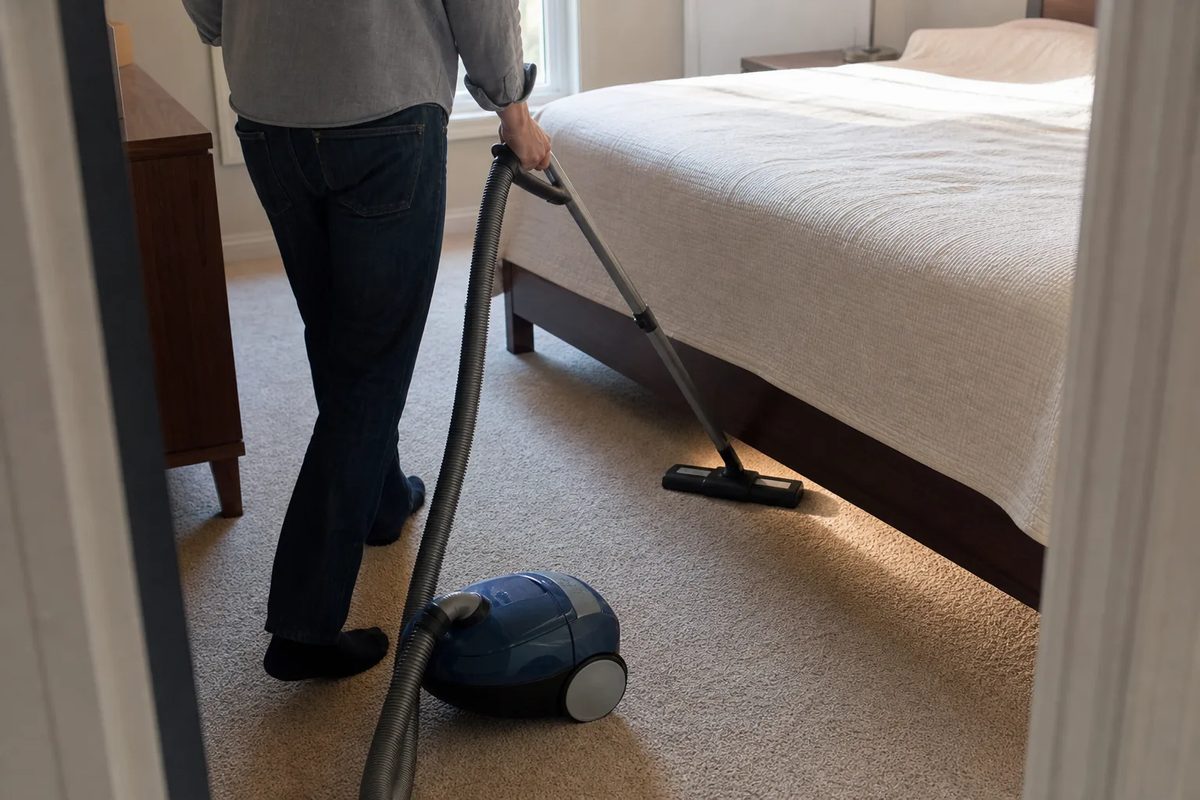
Bedrooms are low-traffic rooms, but they collect a surprising amount of dust, skin cells and hair — most of it from the bed itself. Once a week is enough for most bedrooms, with the area around and under the bed getting the most attention. If a pet sleeps in the bedroom, step up to two or three times a week.
Vacuum the mattress surface monthly with an upholstery tool, and wash bedding weekly: vacuuming the floor while the bed sheds dust onto it is a losing battle. For allergy-prone sleepers, a vacuum with a sealed HEPA system makes a real difference here, because it traps the fine dust that a leaky vacuum redistributes.
Hallways and stairs: the dirt funnels
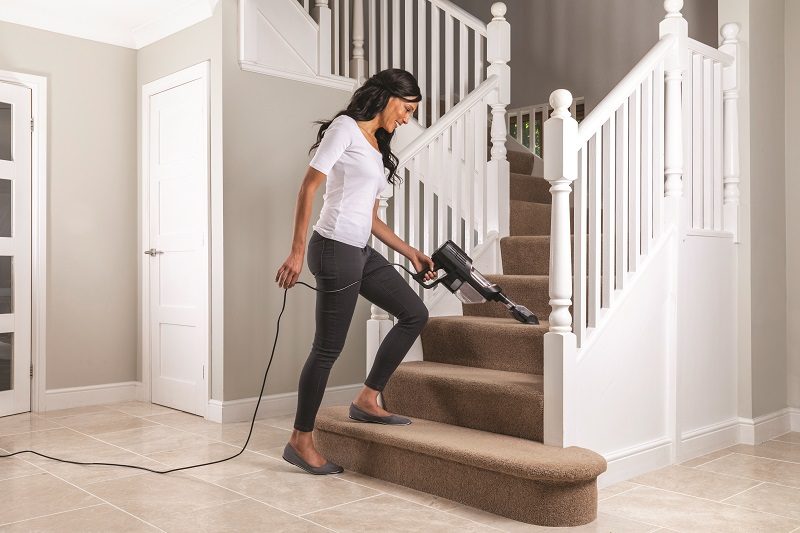
Hallways and stairs are traffic funnels: every outdoor shoe passes through them, and stairs collect dirt on every tread edge. Once a week is the minimum; twice a week if you have pets or children. Stairs are also where most people vacuum least, because carrying a vacuum up them is a chore — which is exactly why they need a schedule.
A lightweight stick vacuum or a robot vacuum that can be carried upstairs for a scheduled run makes stairs manageable. Pay attention to the edges where the tread meets the riser: that is where dirt accumulates and where most vacuum heads struggle to reach.
Pet zones: daily, without exception

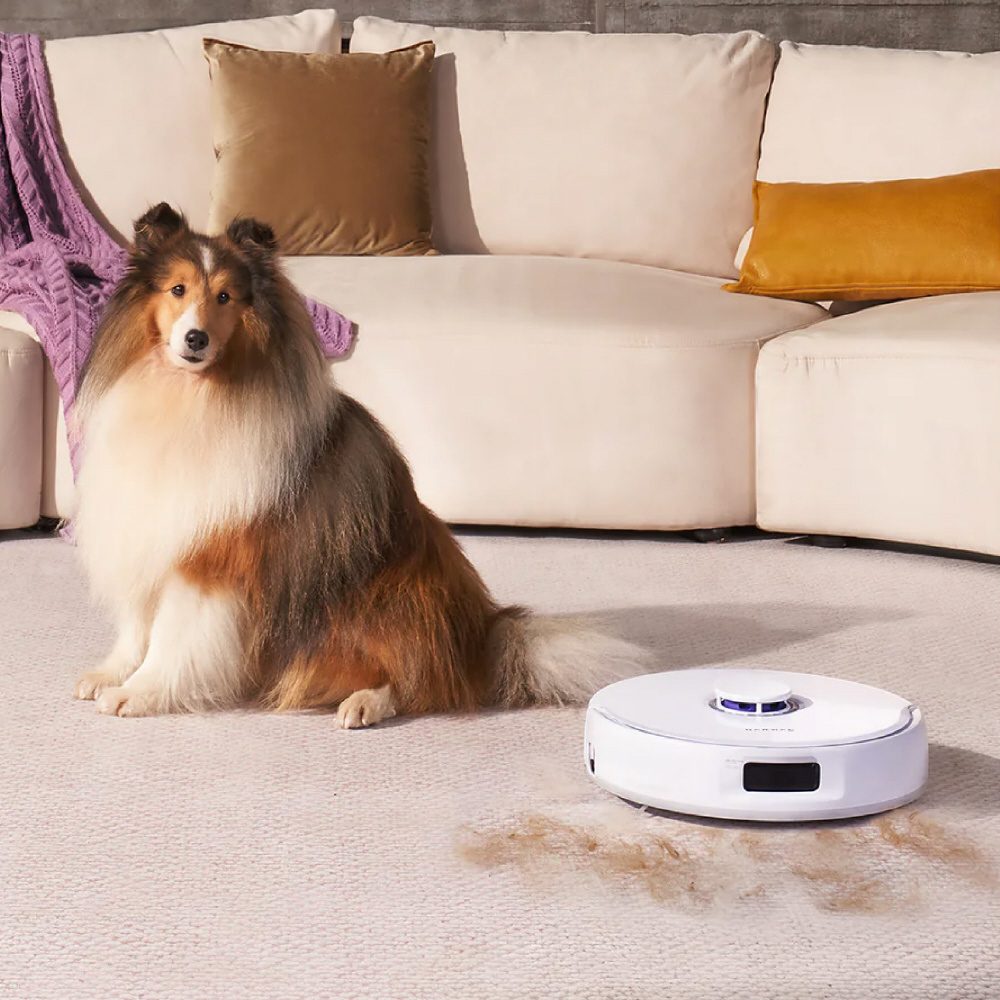
Wherever a pet sleeps, eats or lounges is a hair factory. A dog bed can shed enough hair in a day to fill a robot vacuum's bin, and the area around food and water bowls collects kibble dust and splashes. These zones need daily attention — a robot vacuum scheduled to cover them, or a quick manual pass.
Wash pet bedding weekly in hot water, and vacuum the bed itself before washing: it removes the hair that would otherwise end up in the washing machine. If the pet zone is on carpet, a rubber-bristled brush or a pet-hair rake used before vacuuming lifts the embedded hair that suction alone misses.
Carpet vs hard floors: different rules

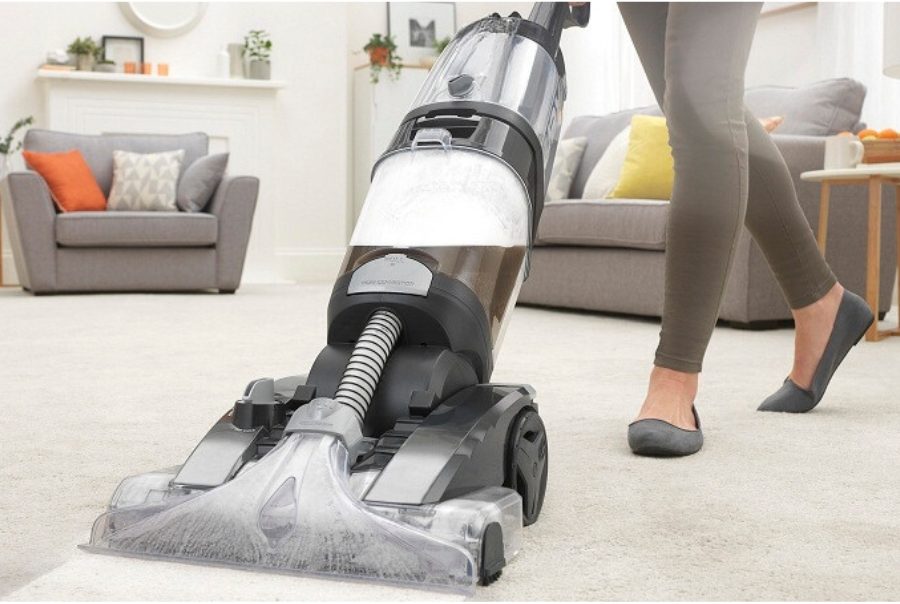
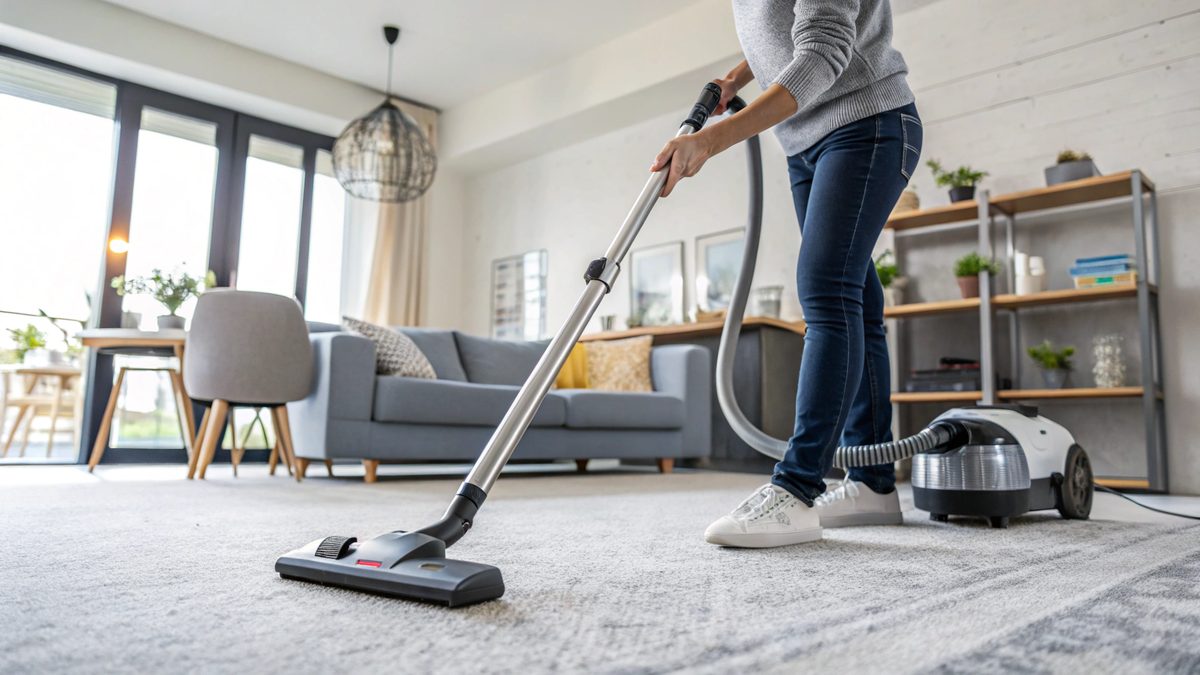
Carpet hides dirt; hard floors show it. That means carpet needs vacuuming more often than it appears to — by the time carpet looks dirty, it is already holding a significant load of dust, hair and grit in the pile. Hard floors look dirty sooner but are easier to clean: a daily robot run or sweep keeps them genuinely clean.
On carpet, slow down. A vacuum head moving at half speed picks up measurably more embedded dirt than the same machine rushed across the room, because the brush has more contact time per square inch. Two slow passes beat four fast ones.
Upholstery and curtains: monthly, not never

Sofas, armchairs and curtains are the forgotten surfaces. Fabric holds dust, hair and odours just as carpet does, and a sofa that is never vacuumed becomes a reservoir that re-releases dust every time someone sits down. Vacuum upholstery monthly with a brush tool, and curtains every two to three months.
In pet homes, double the frequency. A quick pass with a lint roller between vacuums keeps the visible hair down, but only vacuuming removes the fine dust that settles into the weave.
What happens when you wait too long

Dirt in carpet is not inert. Grit works like sandpaper on carpet fibres with every footstep, dulling the pile and shortening the carpet's life. Dust and hair build up in the backing, where even a strong vacuum cannot reach them without professional extraction. The result is carpet that looks tired years before it should.
The same logic applies to hard floors: grit ground underfoot scratches finishes, and the scratches accumulate permanently. Regular vacuuming is not just cleanliness — it is floor maintenance. A carpet that is vacuumed twice a week lasts measurably longer than one vacuumed once a month.
The robot vacuum schedule that actually works
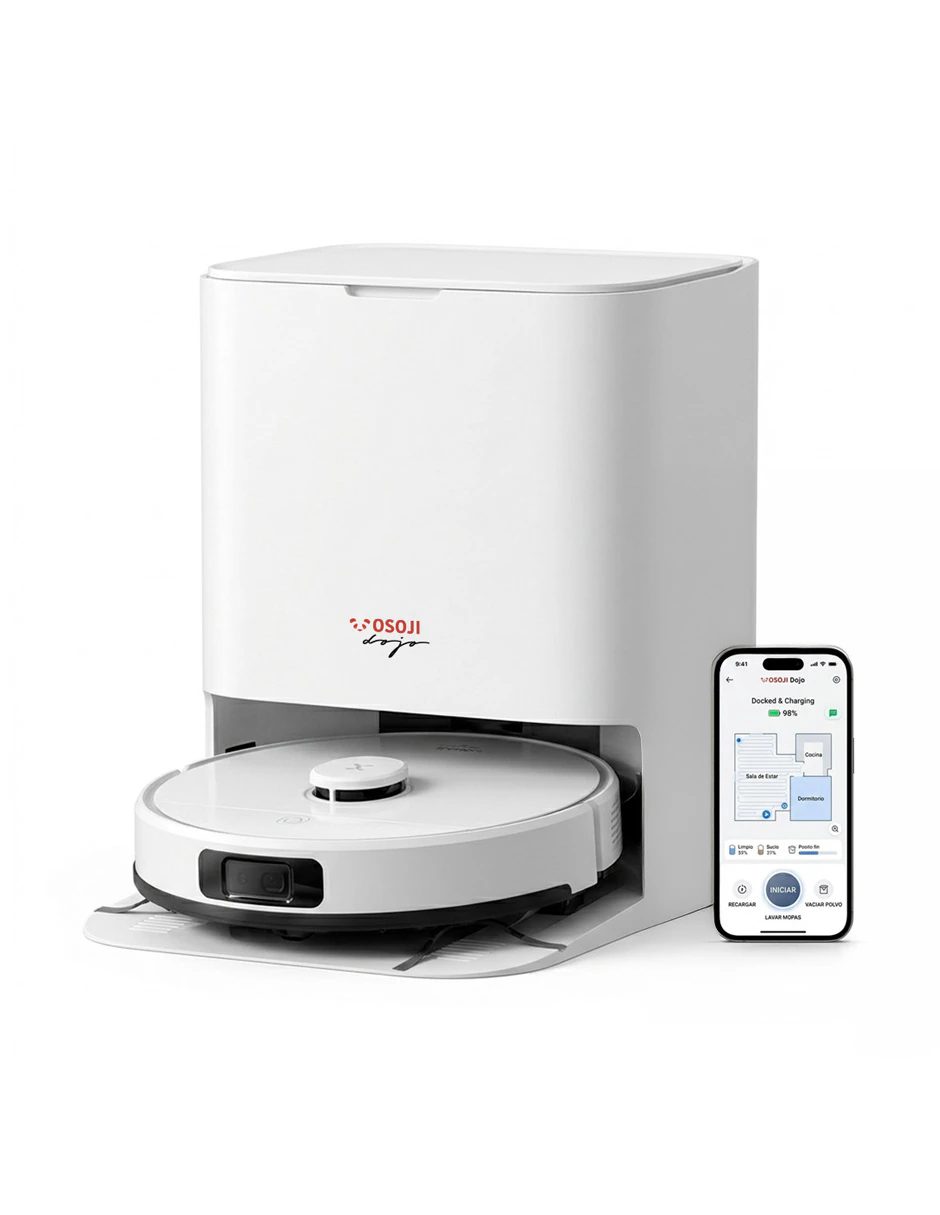
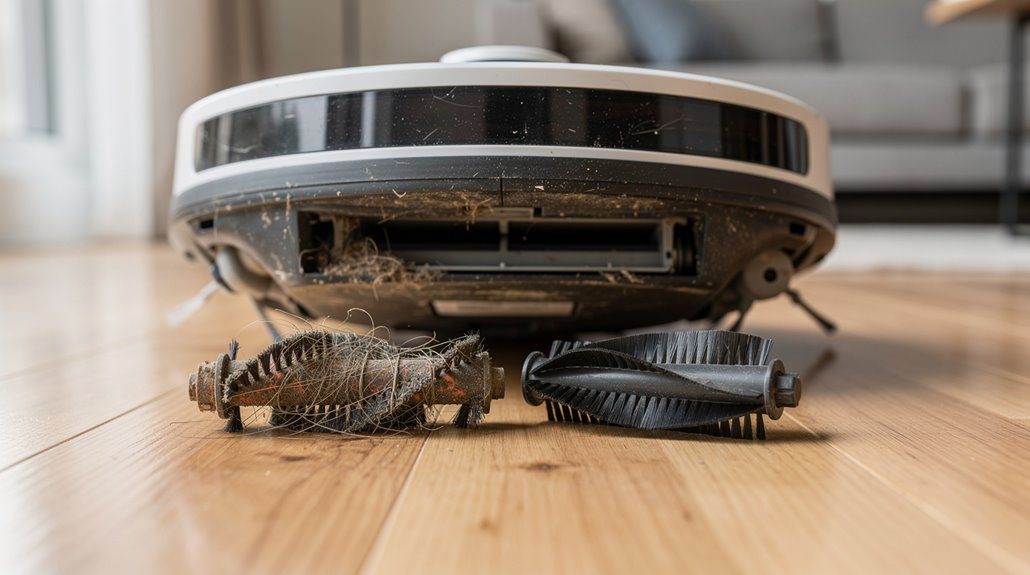
A robot vacuum changes the arithmetic, because it removes the effort barrier. The schedule that works in our house: high-traffic rooms daily, bedrooms three times a week, spare rooms once a week. The robot runs while we are out, and the upright comes out once a week for stairs, edges and upholstery.
The key is to let the robot do the frequent light work and reserve manual vacuuming for the deep work it cannot do — edges, stairs, upholstery and the occasional deep-carpet pass. Trying to make a robot do everything, or doing everything manually, both fail. The combination is what works.
A schedule you will actually keep
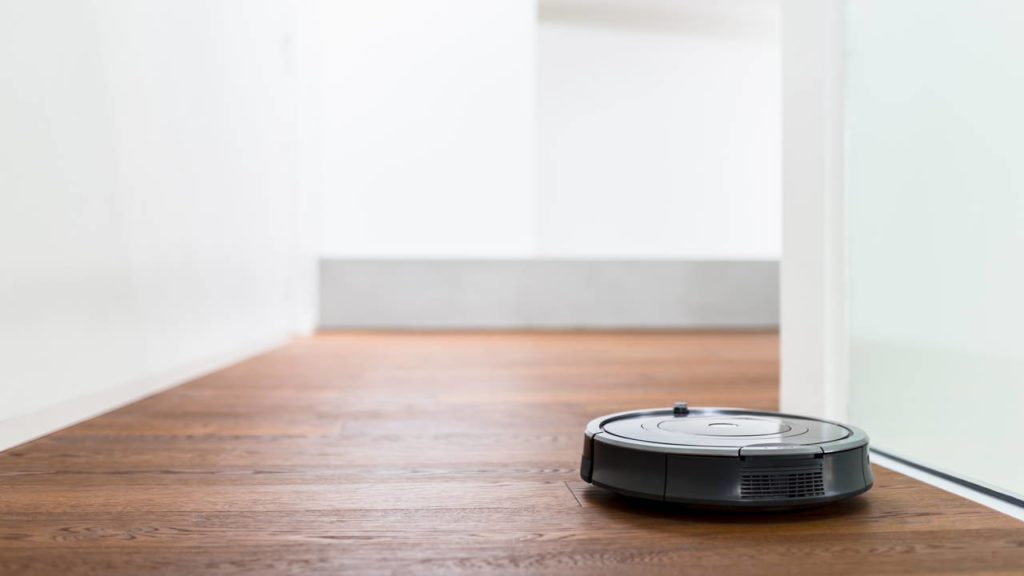
The best vacuuming schedule is the one you follow. Start with the minimum that keeps the house feeling clean — daily in the kitchen and living room if you have pets, twice a week without — and add rooms only if the floors tell you to. If a room looks and feels clean, it does not need more vacuuming, whatever the schedule says.
Revisit the schedule seasonally: shedding season, muddy winters and summer sand all change the load. And if the schedule feels like a burden, that is a sign to automate more of it — a robot vacuum's real value is not the cleaning, it is the cleaning that happens without you thinking about it.
The bottom line
Vacuum high-traffic rooms twice a week (daily with pets), bedrooms once a week, and spare rooms every two weeks. Let a robot handle the frequent light work and keep the upright for stairs, edges and upholstery. The schedule that matters is the one you actually follow — start with the minimum and add only where the floors tell you to.
Best Robot Vacuum for Pet Hair (2026) → · See every pick in the shop →
Frequently asked questions
Is vacuuming every day bad for carpet?
No. Daily vacuuming does not damage carpet — foot traffic with grit in the pile does far more damage. A vacuum with a beater bar on the correct height setting is safe for daily use on most carpets. What damages carpet is dirt left in place, not the vacuum removing it.
How often should you vacuum if you have allergies?
More often than average, and with a sealed HEPA vacuum. Daily in the bedroom and living room is the usual recommendation, because dust and pollen settle continuously. Vacuuming with a non-HEPA machine can make symptoms worse by redistributing fine particles — the filter matters as much as the frequency.
Should you vacuum before or after dusting?
Dust first, then vacuum. Dusting dislodges particles that settle on the floor; vacuuming afterwards picks them up. Vacuuming first and dusting second just re-dirties a clean floor.
How often should you vacuum hardwood floors?
Twice a week is enough for most homes, daily in the kitchen and entryway. Hard floors show dirt sooner than carpet, which makes it tempting to vacuum constantly — but a quick sweep or robot run is usually all a hard floor needs between deeper cleans.
Do I need to vacuum under furniture?
Yes, monthly at least. Dust and hair accumulate under sofas and beds, and they get disturbed every time someone moves the furniture or opens a window. A robot vacuum that fits underneath handles this automatically; otherwise, move the furniture monthly for a proper pass.
How often should a robot vacuum run?
Daily in high-traffic rooms, three times a week in bedrooms, once a week in spare rooms. Robots are designed for frequent light cleaning — that is their strength. A daily robot run plus a weekly manual deep clean is the combination most owners settle on.