Every robot vacuum review eventually faces the same question: can it replace the upright? The honest answer is no — and also that it does not need to. Robots and uprights are different tools that solve different problems, and the homes with the cleanest floors are the ones that use both, each for what it does best.
This guide compares them head to head on the measures that matter: cleaning power on carpet and hard floors, pet hair, edges and stairs, noise, maintenance, and total cost. No brand loyalty, no sponsored angle — just what the specs, the independent tests and the owner reports actually show.
At a glance
| Measure | Robot vacuum | Upright vacuum | Winner |
|---|---|---|---|
| Carpet deep clean | Good, not great | Excellent | Upright |
| Hard floors | Excellent | Excellent | Tie |
| Daily maintenance | Automatic | Manual effort | Robot |
| Pet hair | Good with right brush | Excellent | Upright |
| Stairs & edges | Poor | Excellent | Upright |
| Convenience | Set and forget | Needs you present | Robot |
In this guide
- Cleaning power: the physics favour the upright
- Hard floors: a genuine tie
- Pet hair: brush design beats brand
- Stairs, edges and upholstery: the upright's home turf
- Consistency: the robot's real superpower
- Maintenance: robots need more of it
- Mopping: robots have a genuine edge
- Cost: robots cost more over three years
- Noise and living with them
- The split that works: robot daily, upright weekly
- The bottom line
- Frequently asked questions
Cleaning power: the physics favour the upright
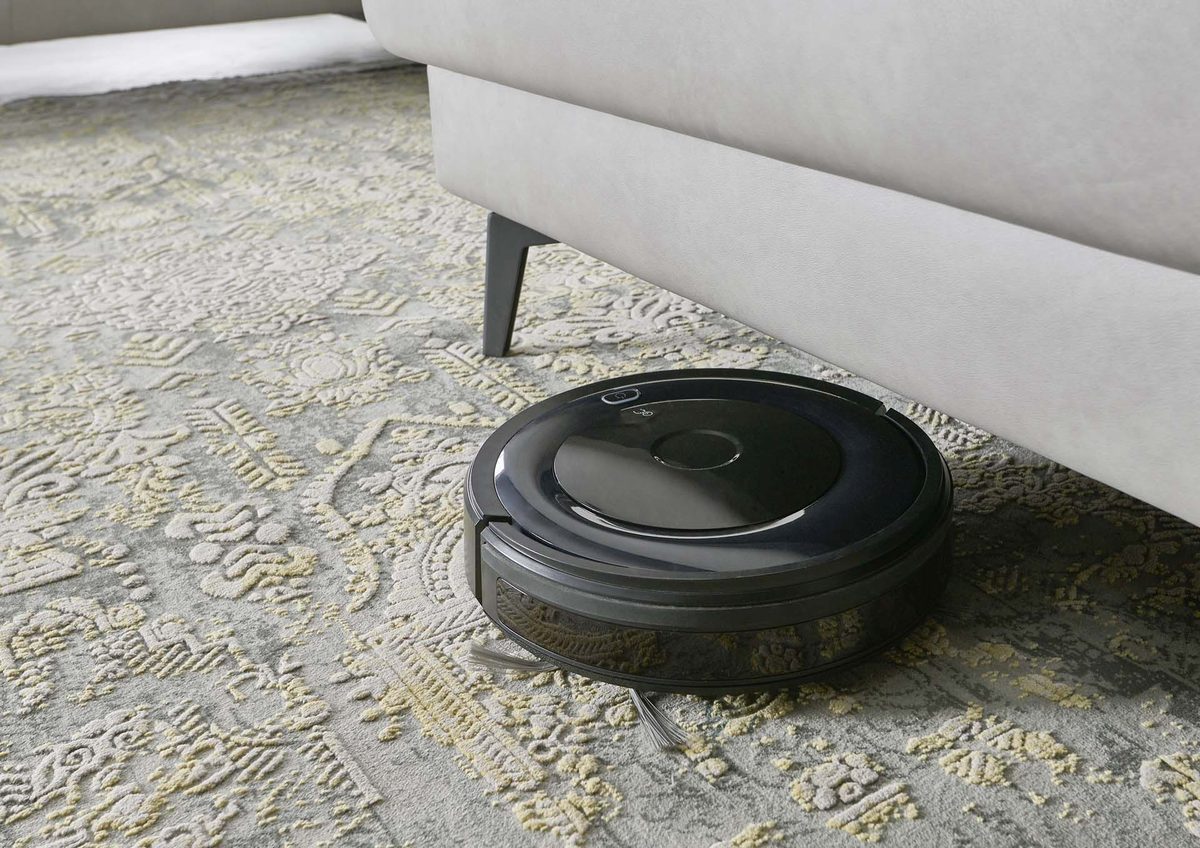
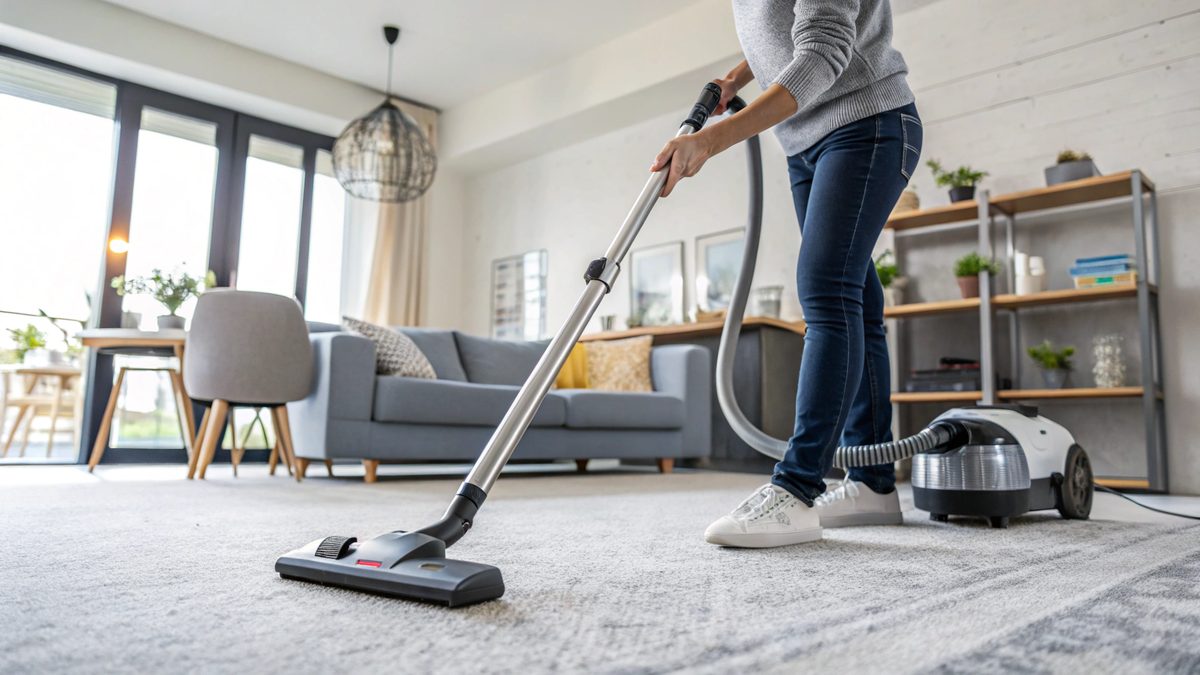
An upright vacuum has two physical advantages a robot cannot match: a larger motor and a heavier cleaning head. The motor delivers more airflow and sustained suction, and the head's weight presses the brush into carpet pile, agitating fibres and lifting embedded dirt. Independent tests consistently show uprights removing more deep-carpet debris in a single pass than any robot.
Robots have closed the gap on hard floors, where suction matters less than brush contact — a modern robot at 8,000–10,000 Pa cleans hard floors as well as an upright. But on medium and deep-pile carpet, the upright's combination of suction, agitation and weight still wins, and the gap is widest on embedded pet hair.
Hard floors: a genuine tie
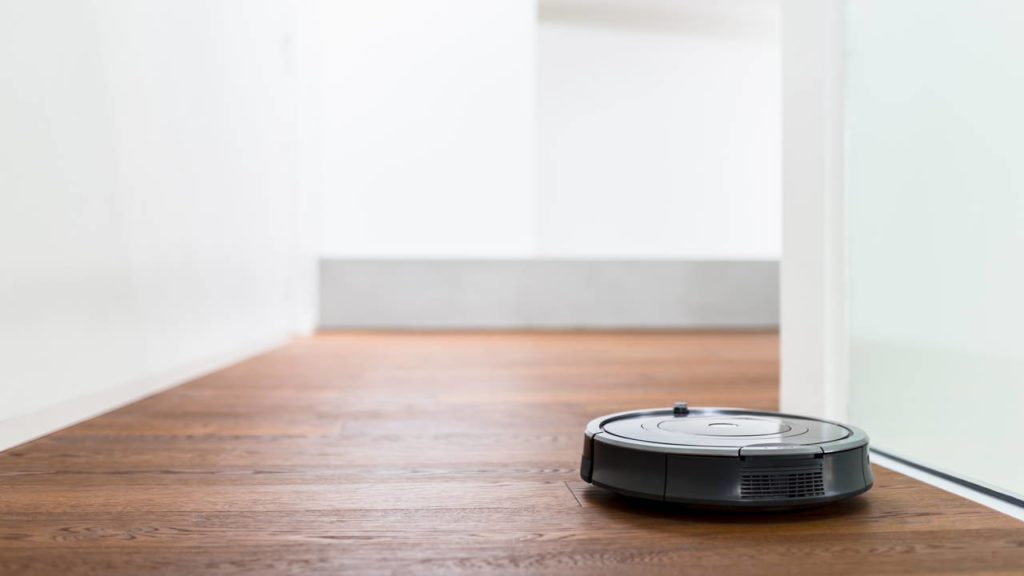
On hardwood, tile and laminate, there is little between them. Both pick up surface debris effectively, and both benefit from a soft roller or a brush that can be switched off to avoid scattering debris. The robot's advantage is frequency: it can run daily without effort, so hard floors stay cleaner on average even if each individual clean is slightly less thorough.
The upright's advantage is control: you can target a spill, a crumb trail or a muddy patch immediately, without waiting for a scheduled run or steering a robot to the spot. For hard floors, the practical difference is convenience, not cleaning quality.
Pet hair: brush design beats brand
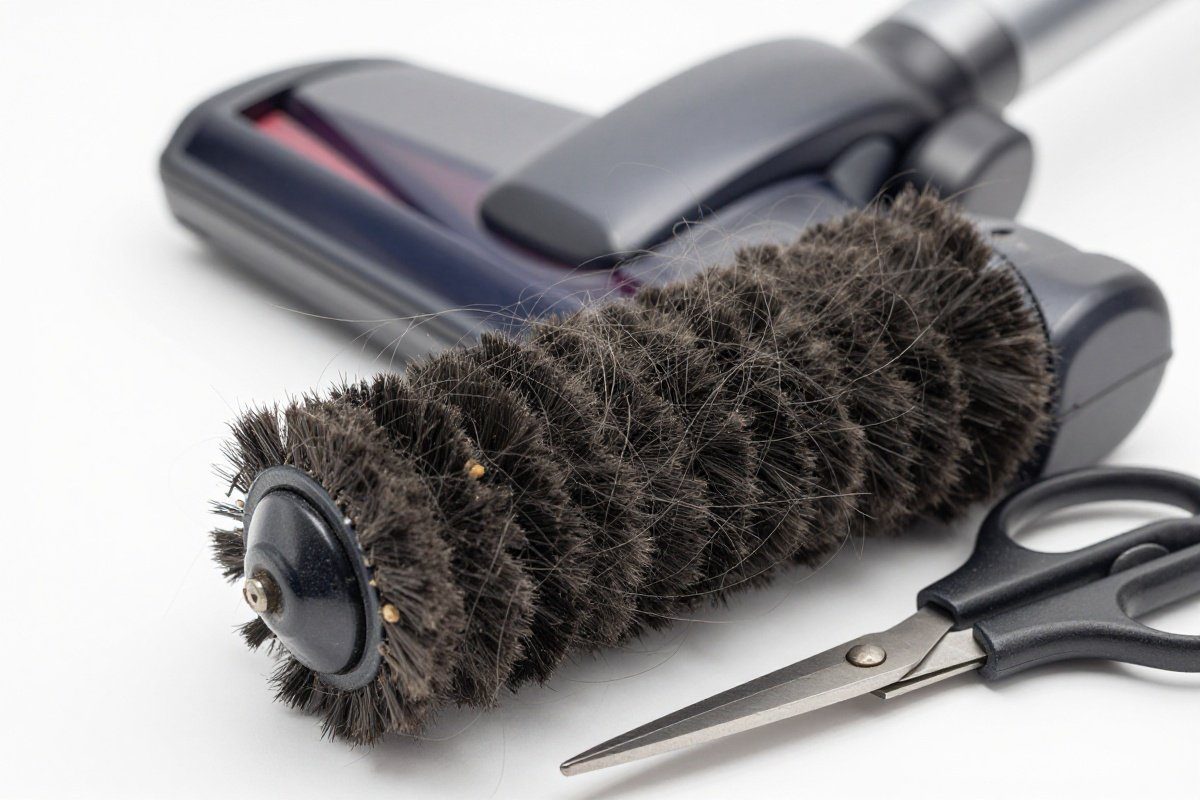
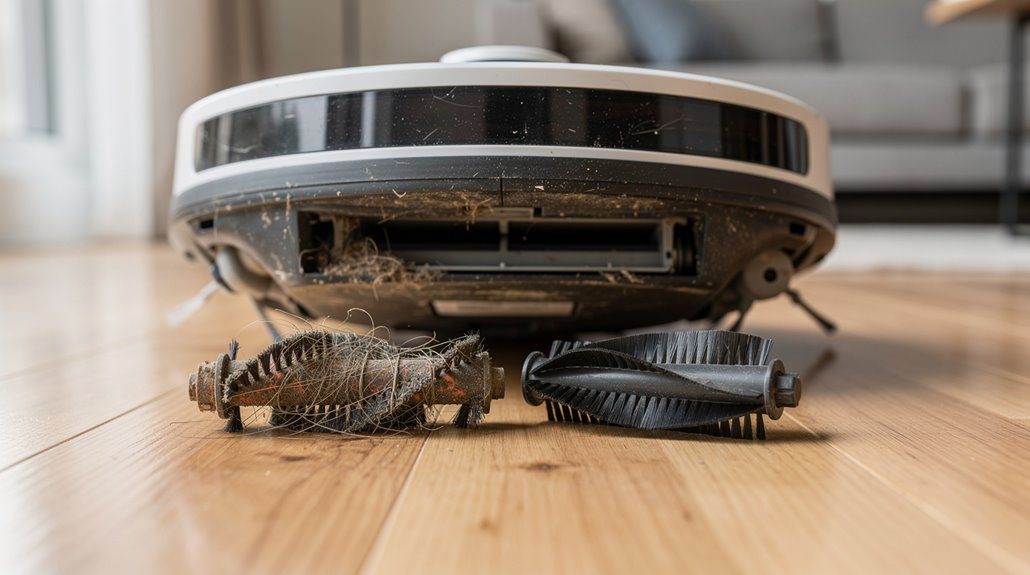
Pet hair performance depends less on robot-versus-upright than on brush design. Rubber rollers and detangling combs — found on the best robots and the best uprights alike — resist hair wrap far better than bristle brushes. A robot with dual rubber rollers will out-clean an upright with a bristle brush over a month of real use, because the bristle brush wraps and loses contact.
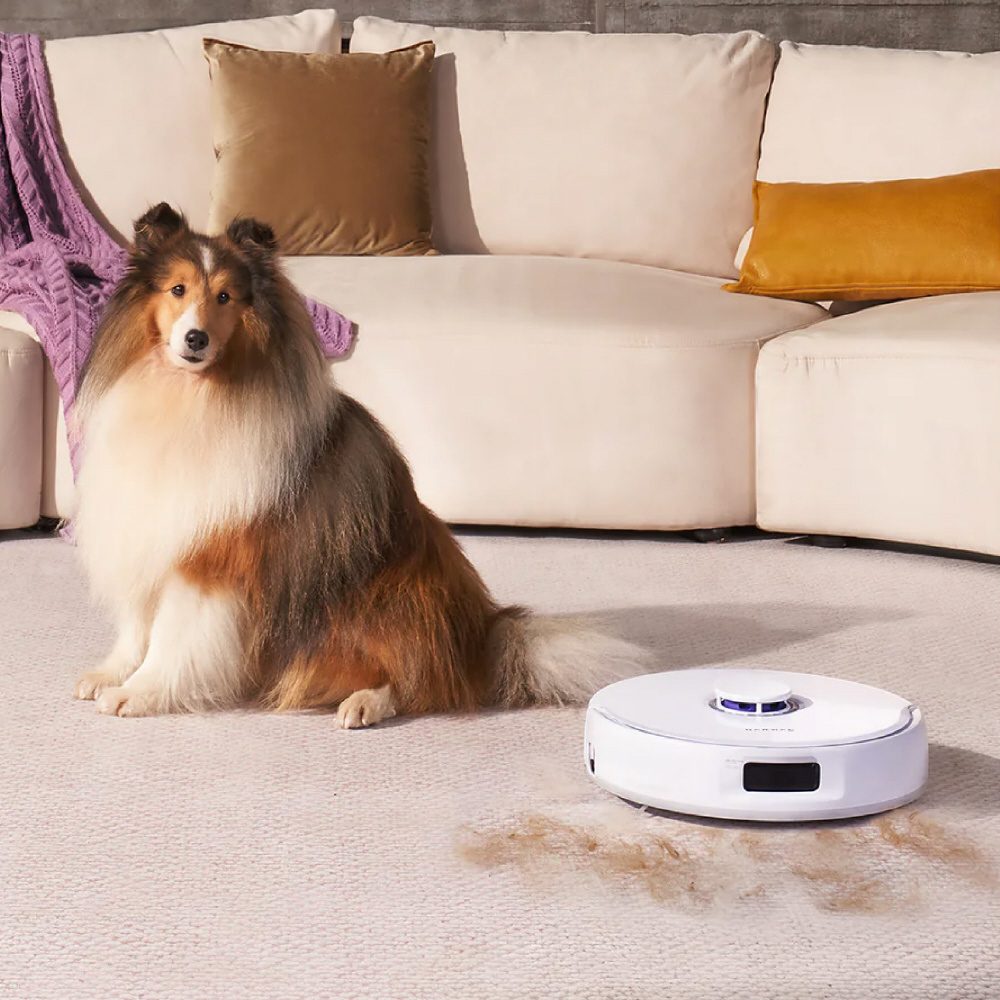
Where the upright wins is capacity and power: a full-size bin that does not need emptying mid-clean, and the suction to pull embedded hair from deep carpet in one pass. For heavy shedders on carpet, the upright remains the deeper clean — but the robot's daily runs prevent the hair from getting embedded in the first place.
Stairs, edges and upholstery: the upright's home turf
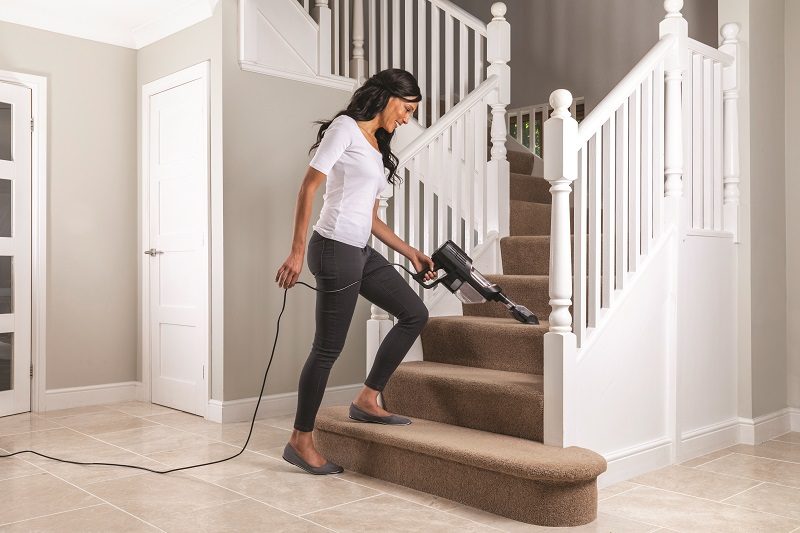
Robots cannot climb stairs, cannot vacuum a sofa, and struggle with edges and corners — even the best edge-cleaning designs leave a margin a manual tool reaches easily. This is not a minor gap: stairs and upholstery are where dust and hair accumulate most visibly, and they need a tool with a hose and attachments.
An upright with a detachable hose, or a stick vacuum as a companion, covers everything the robot cannot. If you buy a robot expecting it to handle stairs, you will be disappointed; if you buy it to handle floors while the upright does stairs and furniture, you will be satisfied.
Consistency: the robot's real superpower
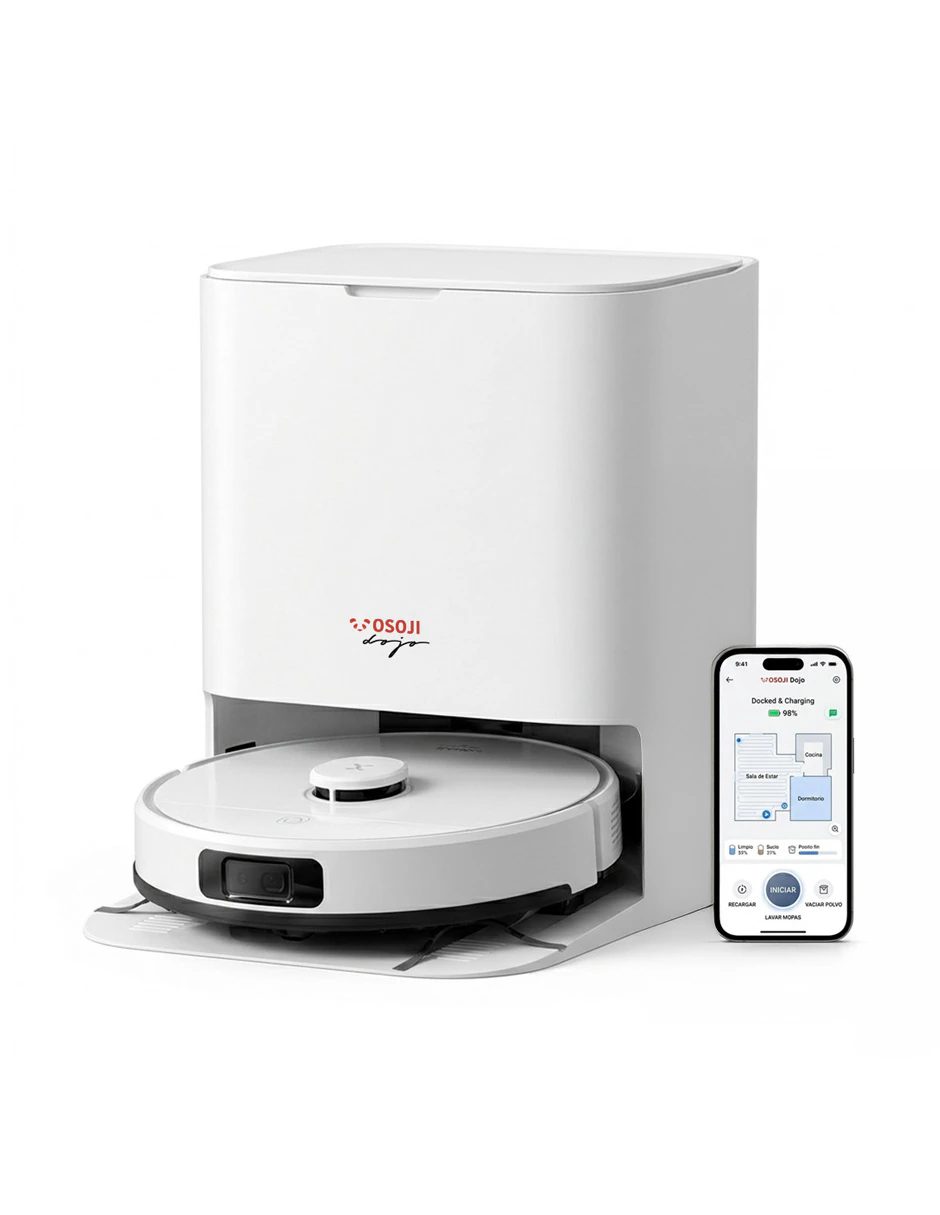
The strongest argument for a robot is not cleaning power — it is consistency. A robot that runs daily keeps floors at a steady level of clean that a weekly manual vacuum cannot match, because dirt never accumulates to the point where it works into carpet pile. Independent testing and owner reports agree: daily light cleaning beats weekly deep cleaning for day-to-day floor condition.
This is especially true in pet homes, where hair sheds continuously. A robot that runs every day removes hair before it embeds; an upright used weekly fights a week's worth of embedded hair every time. The robot does not clean deeper — it cleans sooner, and sooner matters more than most people expect.
Maintenance: robots need more of it
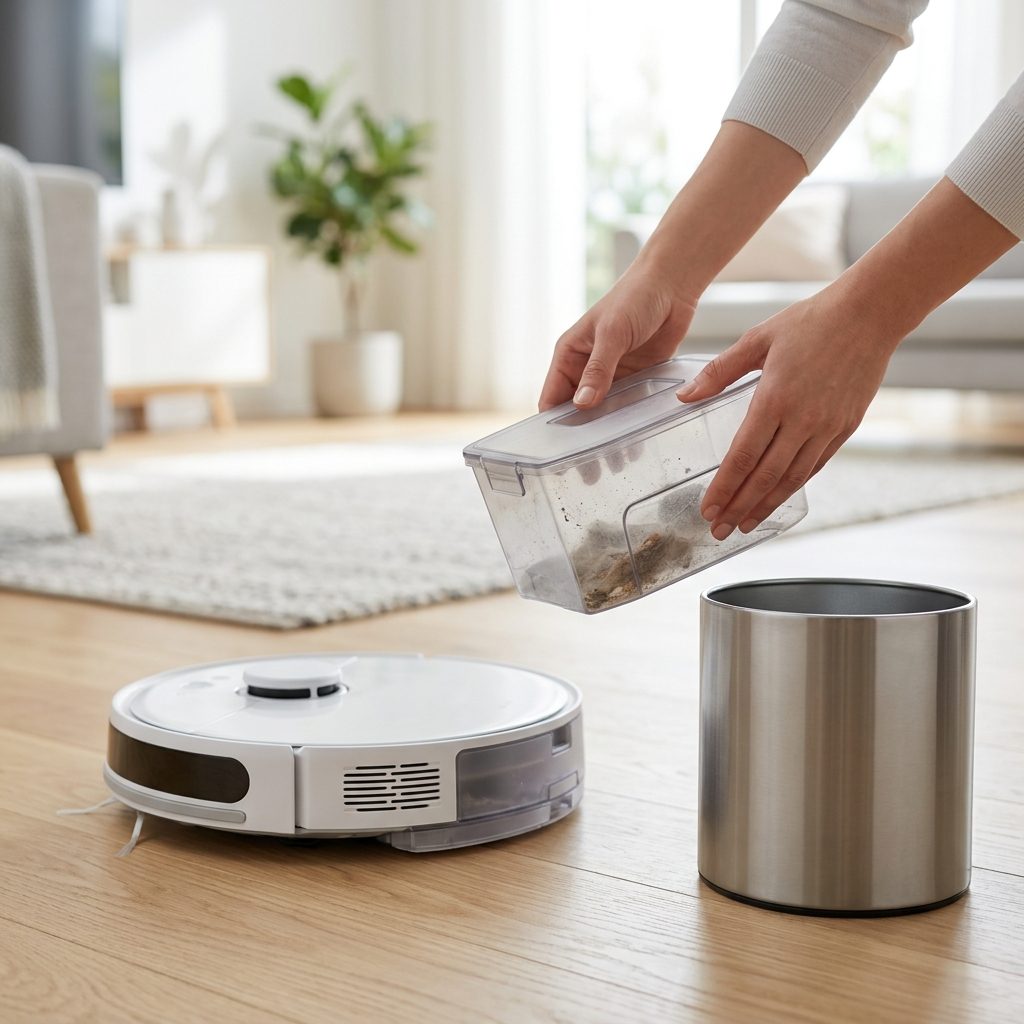
Robots have more parts that need attention: brushes to de-hair, filters to tap clean, sensors to wipe, wheels to clear, and — for self-emptying models — bags and base filters to replace. A robot that is not maintained loses performance quickly, and owner complaints about robots almost always trace back to neglected maintenance.
Uprights are simpler: empty the bin or change the bag, clean the filter occasionally, replace the belt every few years. They tolerate neglect far better. If you want the lowest-maintenance vacuum, the upright wins; if you are willing to spend ten minutes a week on upkeep, the robot's automation is worth it.
Mopping: robots have a genuine edge
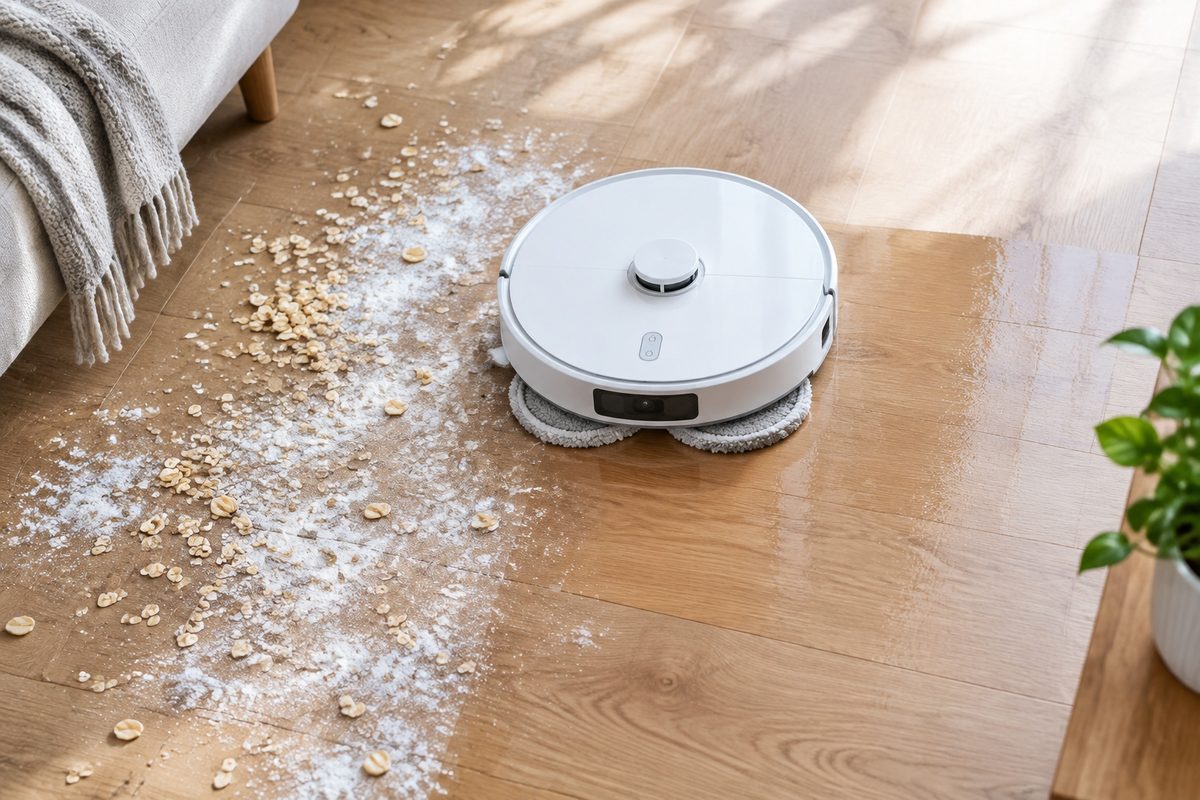
Vacuum-mop robots are the one category where robots do something most uprights cannot: vacuum and mop in a single run, on a schedule, without you present. The mopping is light maintenance rather than deep scrubbing, but for hard floors it keeps them noticeably cleaner between manual mops.
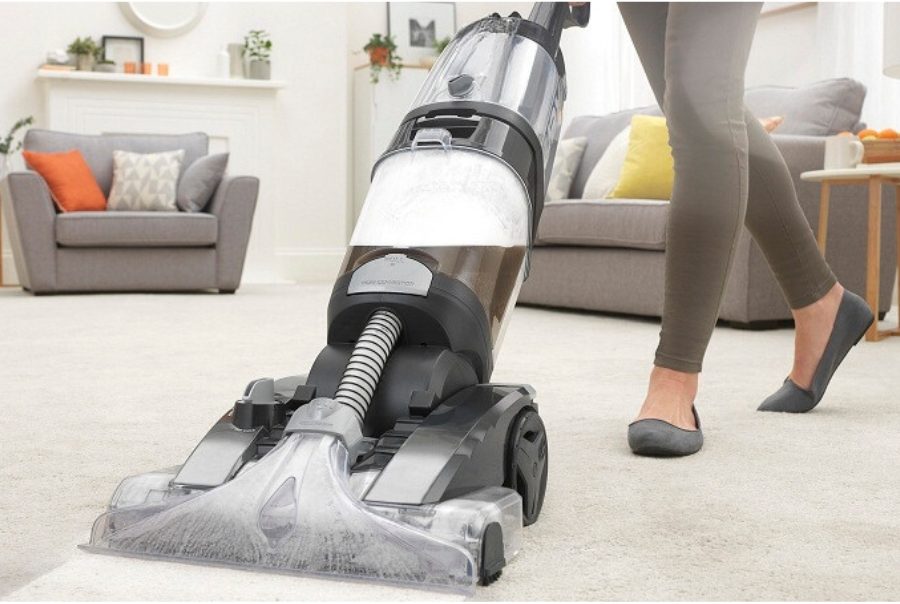
Upright carpet cleaners and hard-floor washers exist, but they are separate machines that need manual operation. If your home is mostly hard floors and you want mopping done regularly without effort, a hybrid robot is the only practical option.
Cost: robots cost more over three years
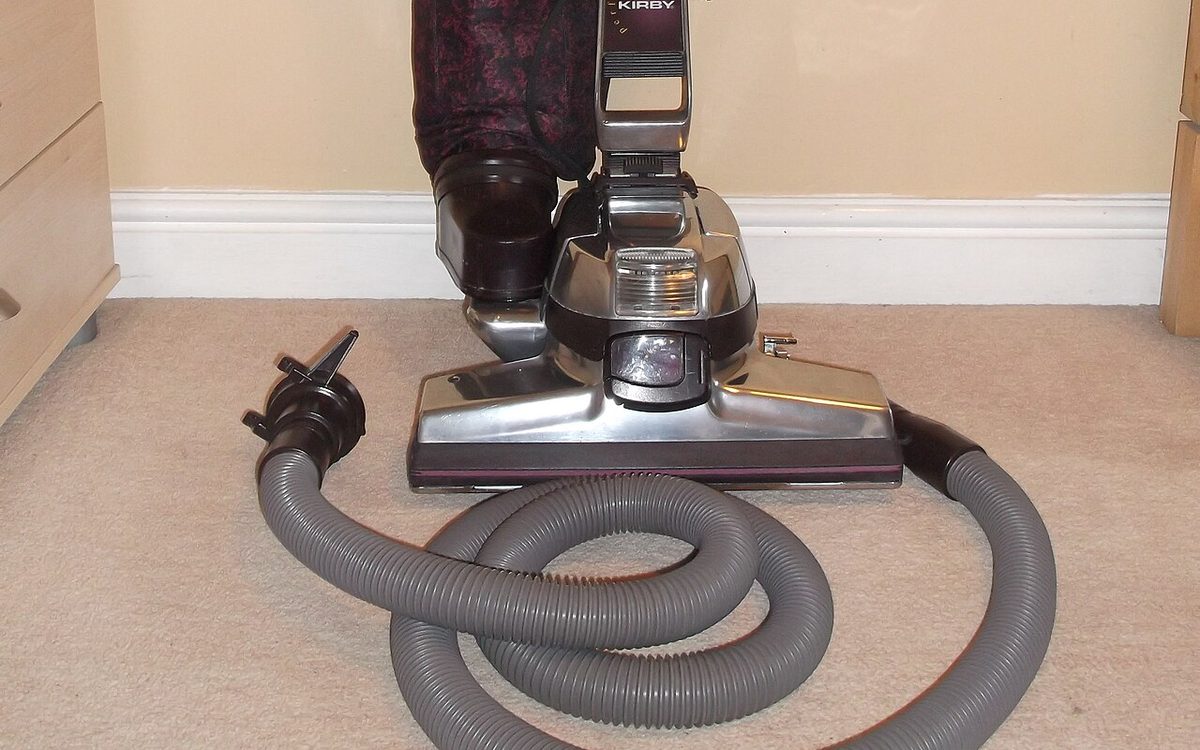
A good robot vacuum costs more upfront than a good upright, and its running costs are higher: bags, filters, brushes and mop pads add up to $40–$90 a year, and the battery is a consumable with a 2–4 year life. An upright's running costs are typically $20–$40 a year, mostly bags and filters.
The robot's value is time, not money: the hours you do not spend vacuuming. If you value that time at anything above zero, the robot pays for itself — but it is worth being honest that the robot is the more expensive machine to own, not the cheaper one.
Noise and living with them
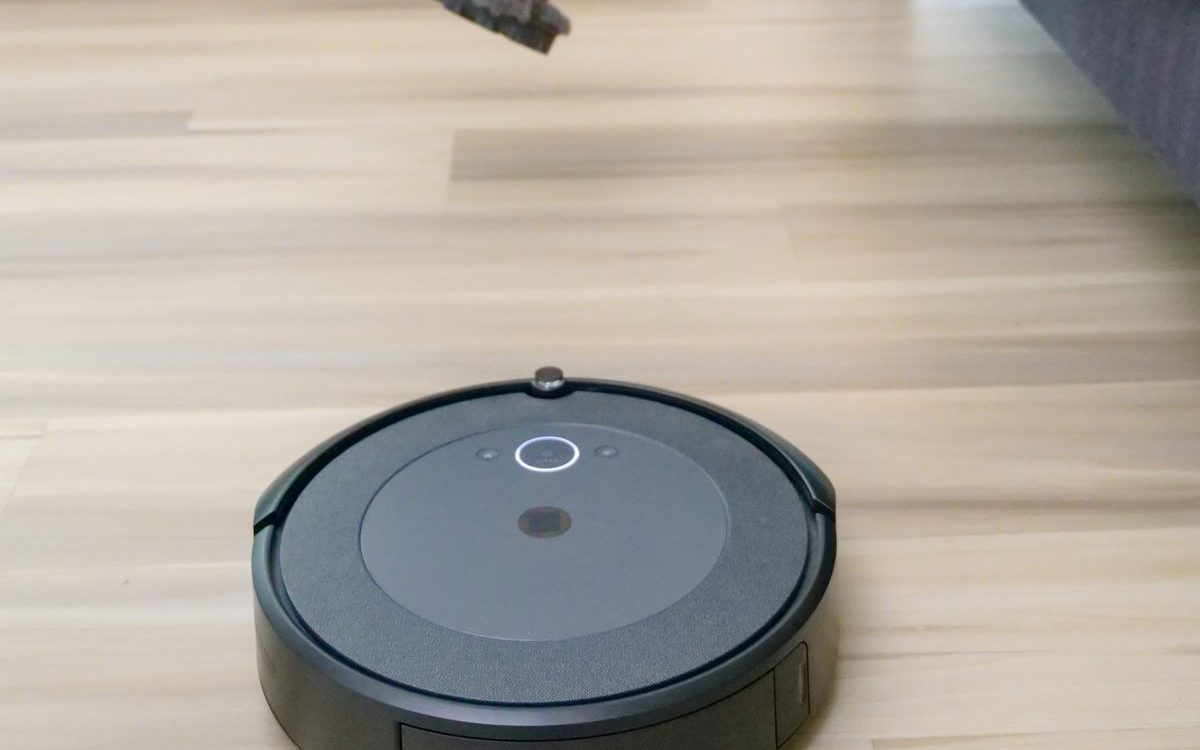
Robots are quieter than uprights — typically 55–65 dB against an upright's 70–80 dB — and they run while you are out, so the noise rarely matters. Uprights are louder but used for shorter periods. For households with babies, shift workers or noise-sensitive pets, the robot's quiet operation and scheduling are a genuine quality-of-life advantage.
The flip side is presence: a robot and its dock are permanent furniture, and the dock needs floor space and a power outlet. An upright lives in a cupboard. If space is tight, that matters.
The split that works: robot daily, upright weekly
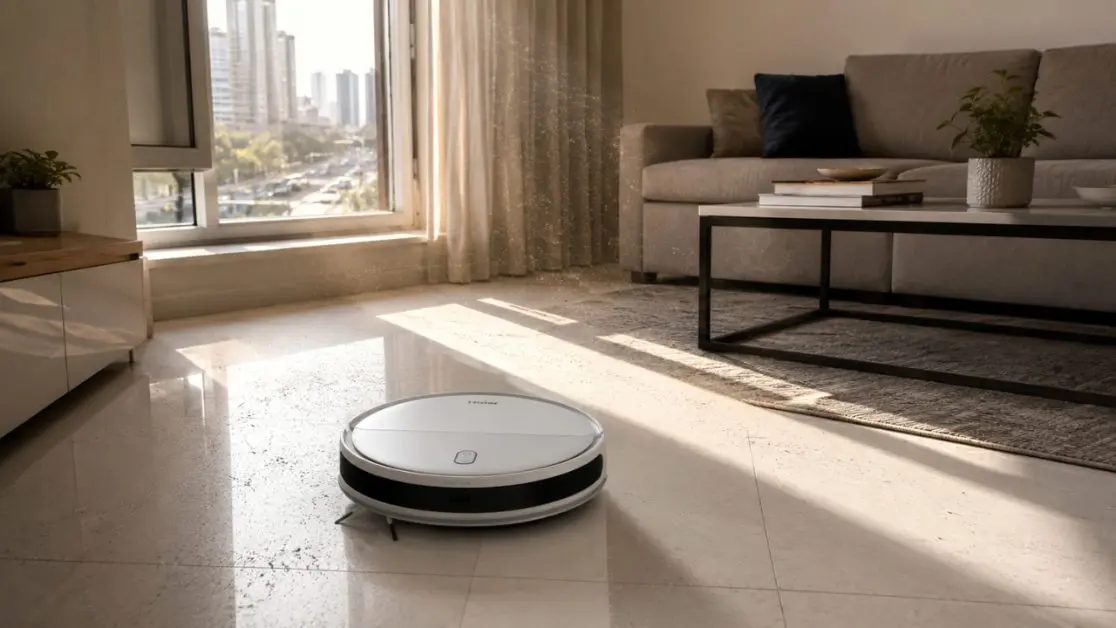
After years of running both, the split that works is simple: the robot runs daily on floors, and the upright comes out once a week for stairs, edges, upholstery and a deep-carpet pass. Neither machine is asked to do the other's job, and the house stays cleaner than either could manage alone.
If you can only buy one, choose by your home: mostly hard floors and a busy schedule favour the robot; deep carpet, heavy shedding and a willingness to vacuum manually favour the upright. And if you buy a robot, keep the upright — you will still need it, just far less often.
The bottom line
The upright cleans deeper; the robot cleans more often. On carpet, the upright wins on raw power. On hard floors, they tie. For daily maintenance, the robot is unbeatable — but it cannot do stairs, upholstery or edges. The best setup is both: robot daily, upright weekly. If you must choose one, pick the robot for hard floors and busy schedules, the upright for deep carpet and heavy pet hair.
Best Robot Vacuum for Pet Hair (2026) → · See every pick in the shop →
Frequently asked questions
Can a robot vacuum replace an upright vacuum completely?
No. Robots cannot clean stairs, upholstery or car interiors, and they do not match an upright's deep-carpet cleaning. They can replace the upright for daily floor maintenance, which is most of the vacuuming most homes need — but keep the upright for weekly deep work.
Which is better for pet hair, robot or upright?
For embedded hair in deep carpet, the upright wins on suction and agitation. For daily hair control, the robot wins on consistency — it removes hair before it embeds. The best pet-hair setup is a robot with tangle-resistant rollers running daily, plus a weekly upright pass.
Do robot vacuums clean as well as Dyson?
On hard floors, a good robot cleans as well as a Dyson stick. On carpet, a full-size Dyson upright or a high-end cordless with a powered head cleans deeper in a single pass. The comparison depends on the model — a flagship robot beats a budget upright, and a flagship upright beats a budget robot.
Is a robot vacuum worth it if I already have an upright?
Yes, if you value the time. The robot does not replace the upright; it replaces the daily and twice-weekly manual sessions, leaving the upright for weekly deep work. Most owners report vacuuming manually far less often after adding a robot, while their floors stay cleaner on average.
What can't a robot vacuum do?
Stairs, upholstery, curtains, car interiors, high shelves, and deep-pile carpet cleaning to upright standards. Robots also struggle with very dark floors (cliff sensors can misread them), wet messes, and large debris like cereal or broken glass.
How long do robot vacuums last compared to uprights?
A good upright lasts 8–12 years with basic maintenance. A robot typically lasts 4–6 years, with the battery needing replacement at 2–4 years. Robots have more electronics and moving parts exposed to dust, which limits their lifespan — budget for a battery replacement in year three.